

Guides
Featured
How do password managers work?
A plain explanation of what happens when a password manager saves and fills a login, how the encryption actually works, and why some managers derive passwords instead of storing them.
7 min read
The most common 4-digit PIN is 1234. Here are the ten PINs people choose most often, what the public dataset shows, and how to choose a less predictable number.
 Guides
Sharing a Netflix login is not the same as sharing your email. A practical guide to which passwords to share, how to share them, and what to keep separate.
 Guides
Most memorable-password advice produces passwords that are easy to crack. Here is the method that survives both a cracking rig and a Tuesday morning.
 Guides
12 characters is the floor, 16 is the answer, and length beats complexity every time. Here is the arithmetic behind those numbers and where it stops mattering.
 Guides
A straight guide to recovering access when you forget your master password: what works for Bitwarden, 1Password, LastPass and Dashlane, and what nothing can fix.
 Security
Password managers are safer than the alternative, and they are not risk-free. Here is what actually goes wrong, what the breaches taught us, and how to judge one.
 Security
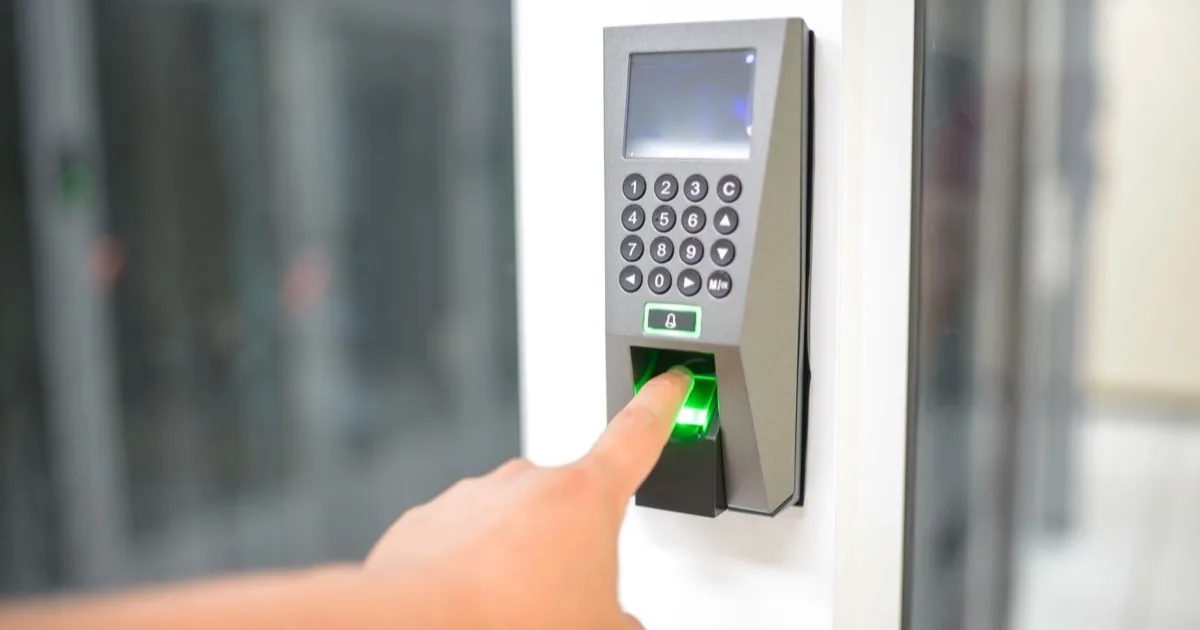
Passkeys are phishing-resistant and growing fast, but they don't cover every login. Here's how a passkey differs from a password, where each one wins, and why you still need a password manager.
 Product
Every vault is a target. We took a different bet: do not store generated passwords, and recompute each one from a Master Key you already keep in your head.
 Security
Zero-knowledge means the provider can't read your secrets. MoolKey does not store generated passwords or PINs, but it still keeps account metadata and security records. Here's what the term means and where it stops.
 Security
Critics list four fatal flaws of deterministic password managers. We take each one seriously and show which MoolKey solves and which are honest trade-offs.
 Guides
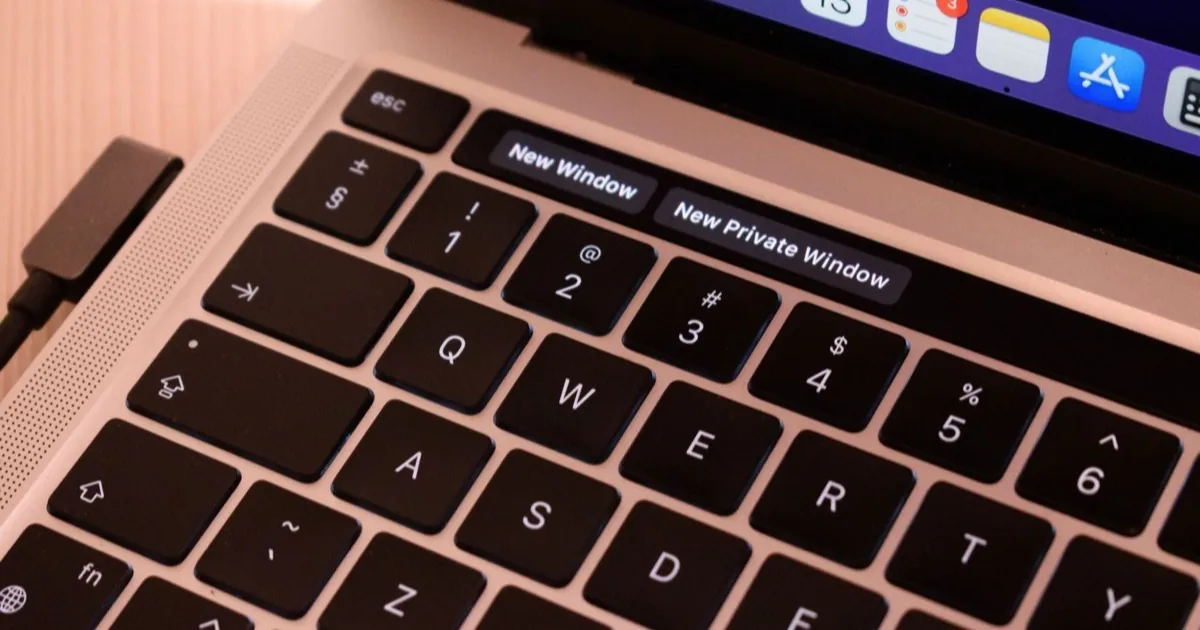
Chrome, Apple, and Google password managers are convenient, and a prime target for infostealer malware. What they protect, what they don't, and when to switch.
 Security
A fair look at how stateless derivation and encrypted vaults actually differ: what each one protects, where each one breaks, and how to choose.
 Engineering
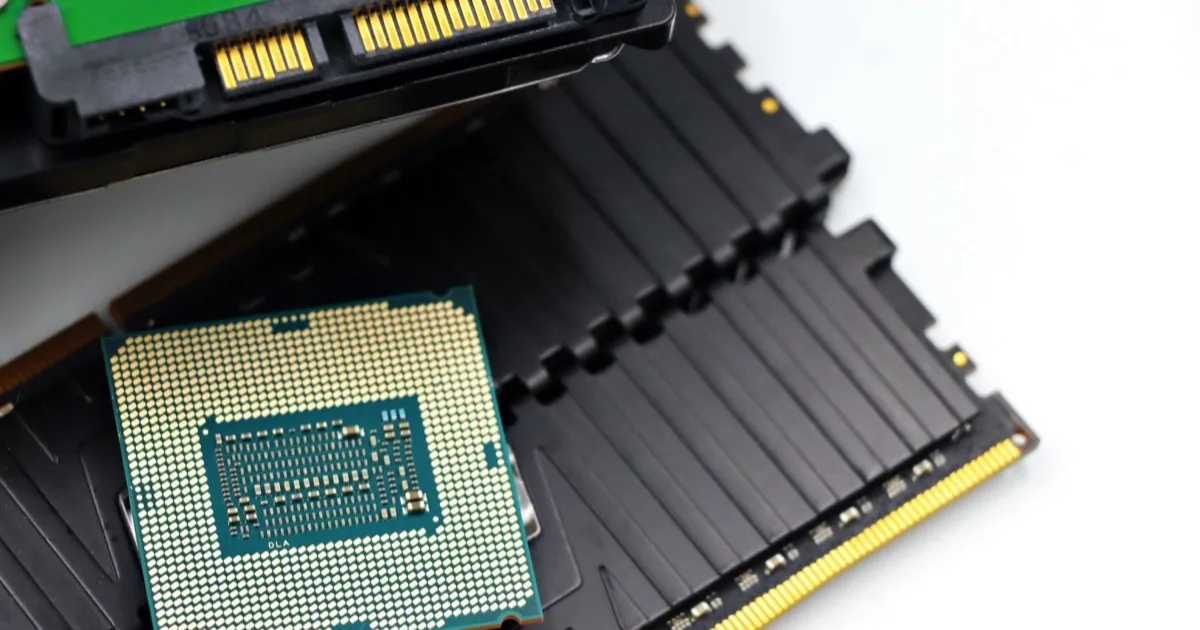
Even zero-knowledge managers must hold secrets in RAM to use them. What actually lives in memory, why a KeePass bug mattered, and how MoolKey limits the window.
 Guides
Your master key derives every other password, so it must be strong and unforgettable. How to build a NIST-grade passphrase, and the mistakes that quietly weaken it.
 Engineering
A technical look at why MoolKey pauses briefly, what PBKDF2 does, and why repeated work makes large-scale guessing more expensive.
 Guides
Offline mode isn't a fallback bolted on later, it's proof the model works. Here's how MoolKey gives you the same password at 35,000 feet as at your desk.
 Product
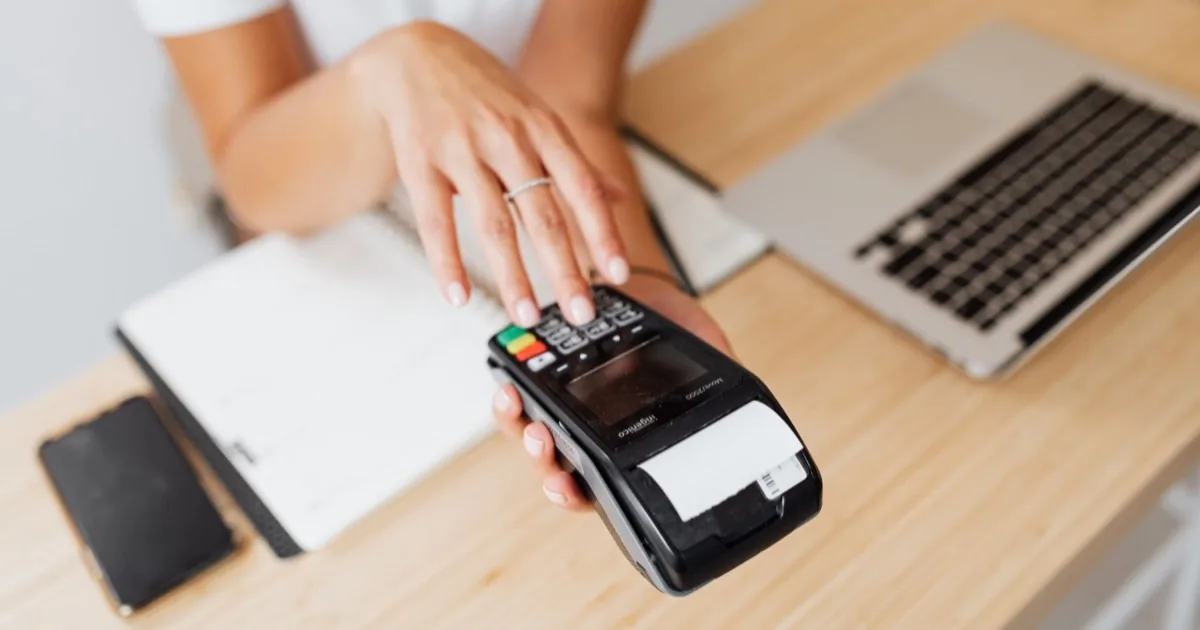
A 4-digit PIN has only 10,000 combinations, and most people pick from a few hundred. How to generate a truly random PIN, and how MoolKey derives one without storing the generated result.
 Guides
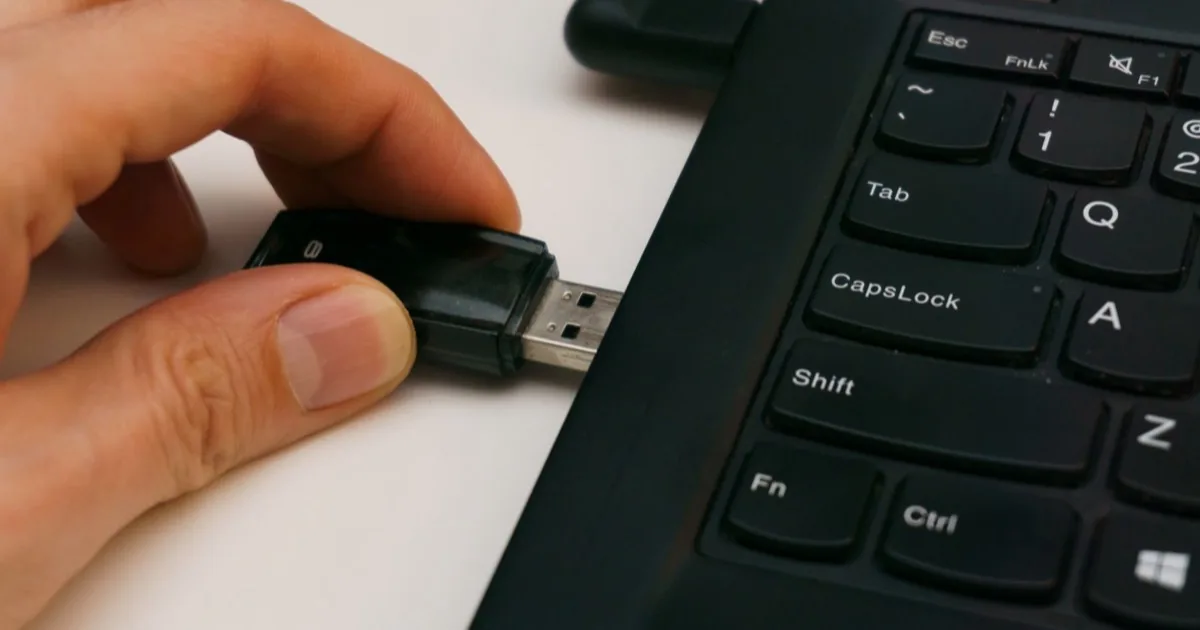
Migrating usually means exporting a plaintext CSV of your vault and importing it. Here's how to switch to MoolKey with nothing to import, one login at a time.
 Product
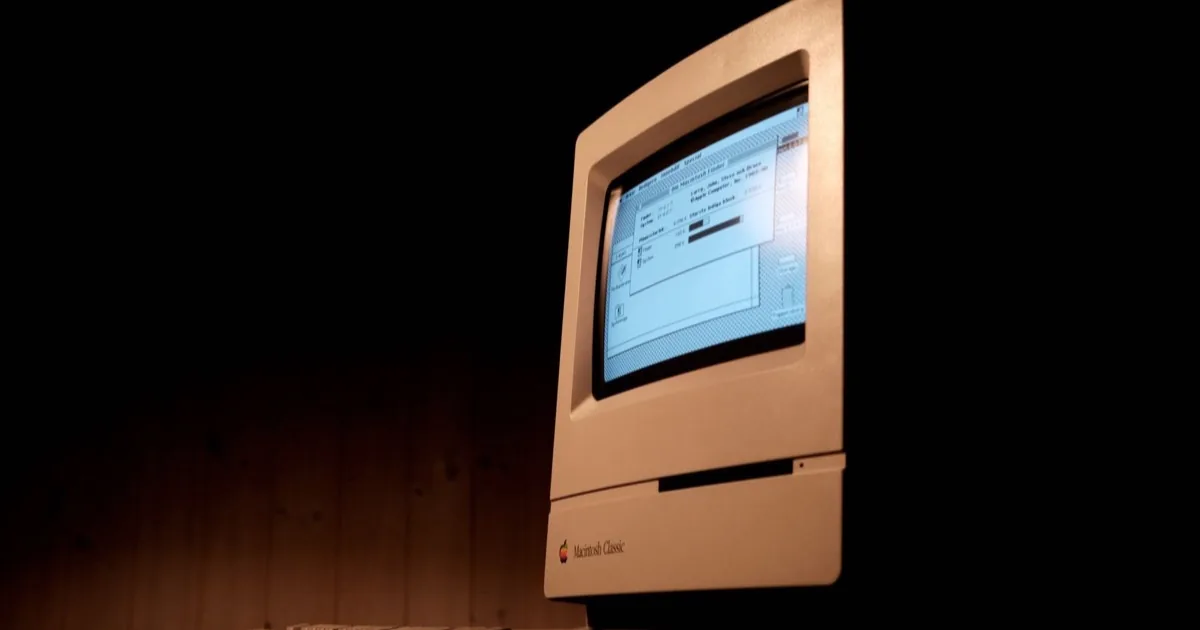
Companies fold, get acquired, or sunset apps. If your password manager vanished tomorrow, could you still log in? How to avoid lock-in by design.
Photography provided byPexels.
Start with the password you keep reusing or the bank card that still shares a PIN. MoolKey is free, and you do not need to move everything at once.