

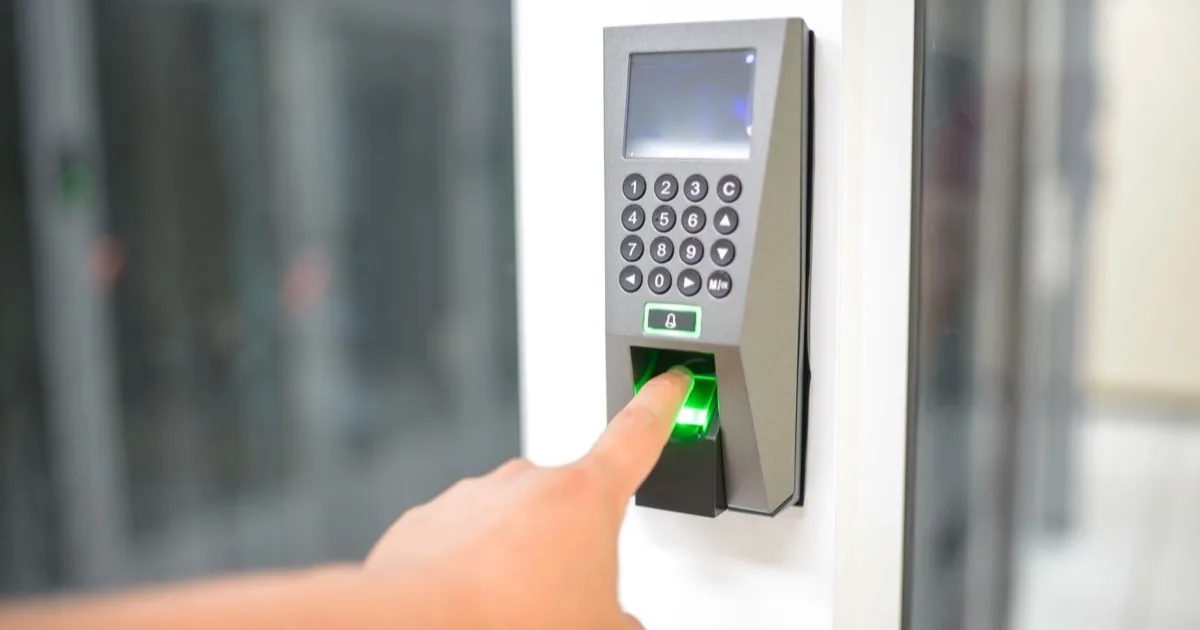
Every few months someone declares the password dead. In 2026 they finally have a number to point at: the FIDO Alliance estimates that five billion passkeys are now in use. So do passkeys make a password manager obsolete?
Passkeys don’t replace password managers; they replace passwords on the sites that support them. Not yet, and maybe not entirely, ever. A passkey is a phishing-resistant key pair bound to your device. A password manager handles everything passkeys don’t reach yet, which, in 2026, is still most of the long tail. The two are complementary, not rivals.
What a passkey actually is
A passkey is a WebAuthn credential: a public-private key pair created per site. The private key stays on your device (phone, laptop, or hardware key) and is unlocked with a biometric or a device PIN. The site keeps only the matching public key. You sign in by signing a one-time challenge, so nothing reusable is ever transmitted.
That’s the breakthrough: a passkey can’t be phished, because there’s nothing to type and nothing to hand over. The credential is cryptographically bound to the real site’s origin, so a convincing lookalike domain gets nothing.
Where passkeys win
- Phishing resistance. No shared secret means no secret to trick out of you.
- Nothing reusable on the server. A breach of the site leaks public keys, which are useless on their own.
- Speed. Face or fingerprint, and you’re in.
The momentum is real. On World Passkey Day 2026, the FIDO Alliance reported 90% awareness and that 75% of people have enabled at least one passkey. Adoption is no longer the open question.
Where passkeys fall short
For all that, passkeys don’t yet cover your whole digital life:
- Coverage gaps. Countless sites, legacy systems, routers, Wi-Fi networks, SSH hosts, and smaller banks still expect a password.
- Recovery loops back to passwords. Lose your only device and many services fall back to a password and an emailed code.
- Ecosystem friction. Synced passkeys live in Apple, Google, or Microsoft’s keychain. Moving between ecosystems is improving but still awkward, and a purely device-bound passkey can vanish with the device.
- The workforce still runs on passwords. The same FIDO research found 57% of organizations still rely on passwords as the primary way employees sign in.
So you’ll be managing passwords for years. The real question is how.
How MoolKey fits alongside passkeys
Use passkeys wherever a site offers them, they’re genuinely excellent. For everything else, you still need a strong, unique password per account, and that’s where the stored-secret problem comes back.
A vaulted manager solves it by encrypting all those passwords and syncing the encrypted blob. MoolKey does not store generated passwords or PINs: it derives each password on demand from one Master Key and account inputs. Its backend still stores non-secret account metadata and security records. Passkeys remove the shared secret; MoolKey removes the stored credential list. Used together, they address different parts of the password problem.
To be clear about what MoolKey is not: it isn’t a passkey provider. It generates passwords and PINs deterministically. The honest division of labor is simple: if a site supports passkeys, use them; if it doesn’t, MoolKey recreates a password without adding that generated credential to its stored account data. Read the storage boundary for the details.
In short
- Passkeys replace passwords on supported sites, not password managers.
- They’re phishing-resistant because there’s no shared secret to steal.
- Coverage, recovery, and cross-ecosystem gaps mean passwords aren’t going away soon.
- Pair the two: passkeys remove a reusable secret from supported logins, while MoolKey avoids storing generated credentials for the rest.
Frequently asked questions
Do passkeys replace passwords? On sites that support them, yes, you can often sign in with a passkey and never set a password at all. But support is uneven, recovery flows still lean on passwords, and most of the long tail of accounts hasn’t caught up. For now, passkeys reduce how many passwords you use without eliminating the need to manage the rest.
Are passkeys safer than a password manager? For the logins they cover, passkeys are more phishing-resistant than any password, because there’s no reusable secret to steal. But they don’t cover everything, and they don’t replace the job of generating and managing strong passwords for sites that lack passkey support.
Can I get locked out if I lose my device? With device-bound passkeys, possibly. That’s why most providers now sync passkeys to your platform account or let you keep more than one device enrolled. Always register a backup method before you rely on a passkey as your only key.
Do I still need a password manager in 2026? Yes. Until passkeys reach every account you own, you need strong unique passwords for the rest. A deterministic manager like MoolKey covers that long tail without keeping a vault an attacker could one day crack.
Use passkeys where you can. For every other login, derive a password worth trusting, or see exactly how MoolKey compares to vaulted managers.
Keep reading
The 10 most common 4-digit PINs (and why to avoid them)
The most common 4-digit PIN is 1234. Here are the ten PINs people choose most often, what the public dataset shows, and how to choose a less predictable number.
 Security
Are password managers safe? An honest answer
Password managers are safer than the alternative, but not risk-free. See what breaches teach us and how to judge one.